
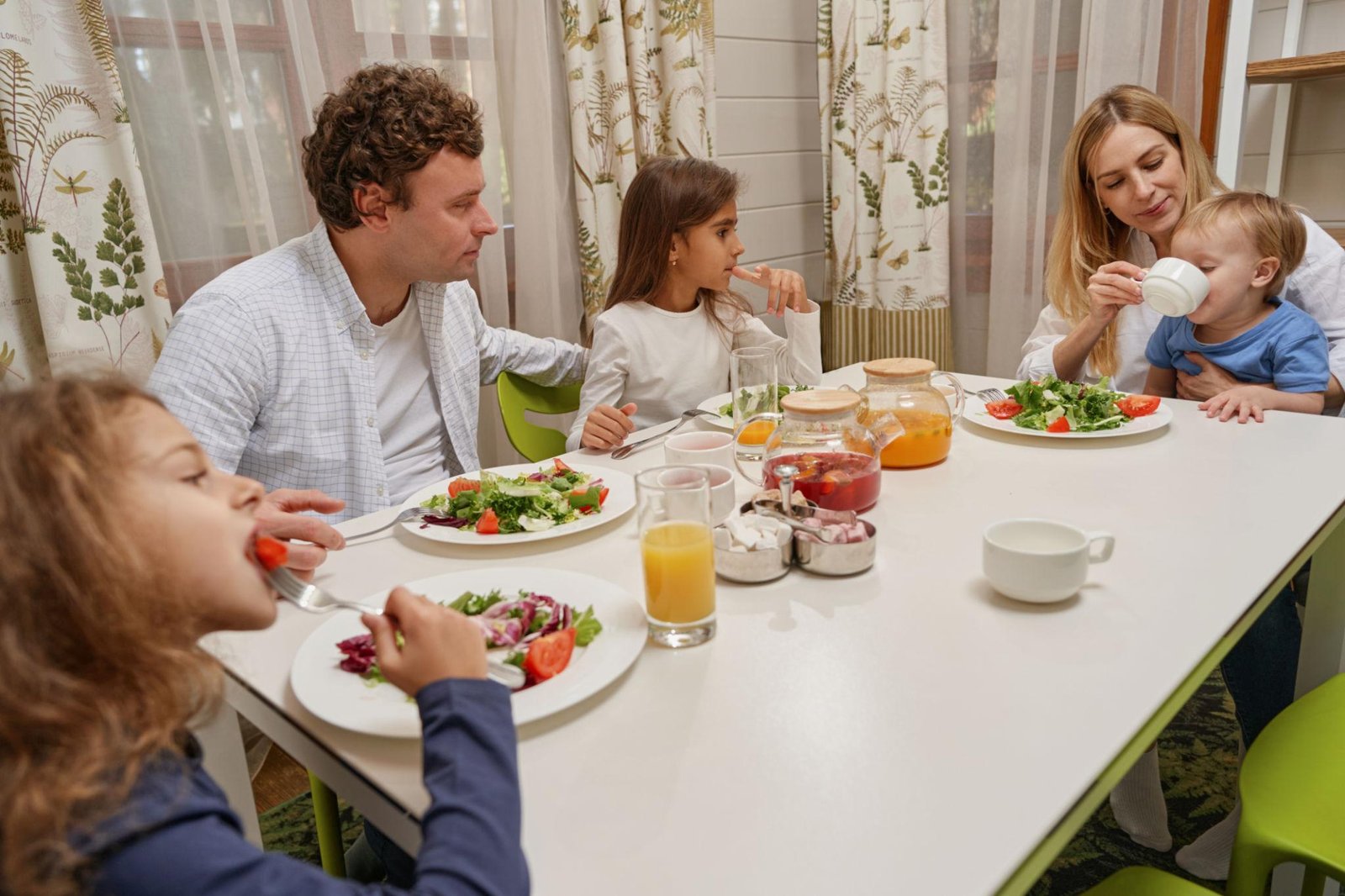
The toddler years are a crucial time for developing healthy eating habits. Between the ages of 1 and 3 years, children begin exploring different tastes, textures, and food preferences. The habits formed during this stage can influence their relationship with food for many years.
Many parents struggle with challenges like picky eating, refusing vegetables, irregular meal times, or dependence on snacks. The good news is that healthy eating habits can be developed with patience, consistency, and a positive approach.
This guide will help parents understand how to encourage toddlers to enjoy nutritious foods and develop lifelong healthy eating behaviors.
🧠 Why Healthy Eating Habits Are Important for Toddlers
Good eating habits support:
- Healthy physical growth
- Brain development
- Strong immunity
- Better energy levels
- Healthy digestion
- Positive relationship with food
Early childhood is the best time to introduce nutritious foods and teach children how to make healthy choices.
🍎 1. Create a Regular Eating Routine


Toddlers feel more comfortable when they follow a predictable routine.
A simple routine may include:
- Breakfast
- Morning snack
- Lunch
- Evening snack
- Dinner
Regular meal times help toddlers:
- Understand hunger signals
- Develop healthy eating patterns
- Avoid unnecessary snacking
Try to offer meals and snacks at similar times every day.
🥗 2. Offer a Variety of Nutritious Foods
Toddlers need different nutrients for growth. Offering a variety of foods helps them develop their taste preferences.
Include:
Fruits 🍌
- Banana
- Apple
- Mango
- Berries
Vegetables 🥕
- Carrot
- Spinach
- Broccoli
- Sweet potato
Protein Foods 🥚
- Eggs
- Lentils
- Beans
- Paneer
- Fish or chicken
Whole Grains 🌾
- Oats
- Rice
- Whole wheat products
A child may refuse a food today but accept it after several attempts. Continue offering without pressure.
🍽️ 3. Make Mealtime Positive
Children learn eating behaviors from their environment.
Create a happy mealtime experience by:
- Eating together as a family
- Talking positively about food
- Avoiding arguments during meals
- Allowing toddlers to explore food
Avoid forcing your child to finish everything on the plate. This can create stress around eating.
🥄 4. Encourage Independent Eating
Toddlers love independence. Allowing them to feed themselves helps build confidence.
Encourage:
- Using a spoon independently
- Picking up finger foods
- Choosing between two healthy options
Examples:
“Would you like banana or apple?”
This gives your child control while keeping choices healthy.
🥦 5. Introduce New Foods Slowly


6
Many toddlers hesitate to try unfamiliar foods. This is normal.
Tips for introducing new foods:
- Offer small portions
- Serve new foods with familiar favorites
- Avoid forcing
- Praise trying, not finishing
It may take multiple exposures before a toddler accepts a new food.
👨👩👦 6. Be a Healthy Role Model
Toddlers copy what they see.
If parents regularly eat fruits, vegetables, and balanced meals, children are more likely to follow.
Try to:
- Eat meals together
- Show enjoyment while eating healthy foods
- Avoid negative comments about certain foods
Your eating habits can influence your child’s choices.
📵 7. Reduce Distractions During Meals
Screens can affect a child’s ability to focus on eating.
Avoid:
- Television during meals
- Mobile phones while feeding
- Toys at the dining table
Instead:
- Sit together
- Talk about the meal
- Encourage mindful eating
🍬 8. Limit Sugary and Processed Foods
While occasional treats are okay, too much processed food can affect healthy habits.
Limit:
❌ Candy
❌ Sugary drinks
❌ Chips
❌ Packaged snacks
Choose healthier alternatives:
✅ Fruits
✅ Homemade snacks
✅ Yogurt
✅ Vegetable-based foods
💧 9. Teach Healthy Drinking Habits
Water should be the main drink for toddlers.
Encourage:
- Drinking water regularly
- Milk in appropriate amounts
Avoid:
- Sugary juices
- Soft drinks
Good hydration supports digestion and overall health.
⚠️ Common Mistakes Parents Should Avoid
Forcing Food
This can make children dislike eating.
Using Food as a Reward
Avoid:
“If you finish vegetables, you will get chocolate.”
Preparing Only Favorite Foods
Continue offering variety instead of making separate meals every time.
Giving Snacks Too Close to Meals
Allow enough time between eating occasions.
🧾 Final Thoughts
Building healthy eating habits in toddlers is a gradual process. It requires patience, consistency, and encouragement. The goal is not to make your child eat perfectly every day but to help them develop a positive relationship with food.
By creating a routine, offering nutritious choices, involving your toddler in meals, and being a good role model, you can help your child develop healthy habits that last a lifetime.
Remember, small steps every day lead to big improvements in your toddler’s health and development. 🌱