
Introduction
Balanced Diet For Toddler’s is essential for supporting rapid growth, brain development, and overall health during the crucial ages of 1 to 3 years. At this stage, toddlers are exploring new foods, developing taste preferences, and building lifelong eating habits. As a parent, ensuring your child gets the right mix of nutrients—such as proteins, carbohydrates, healthy fats, vitamins, and minerals—can feel challenging, especially with picky eating behaviors.
A well-balanced diet not only boosts your toddler’s energy levels but also strengthens their immune system and supports healthy weight gain. The key is to offer a variety of wholesome foods in the right portions while keeping mealtimes enjoyable and stress-free. In this simple guide, you’ll learn what a balanced diet for toddlers looks like, the essential nutrients they need, and practical tips to help your child eat healthy every day.
What is a Balanced Diet for Toddler’s?
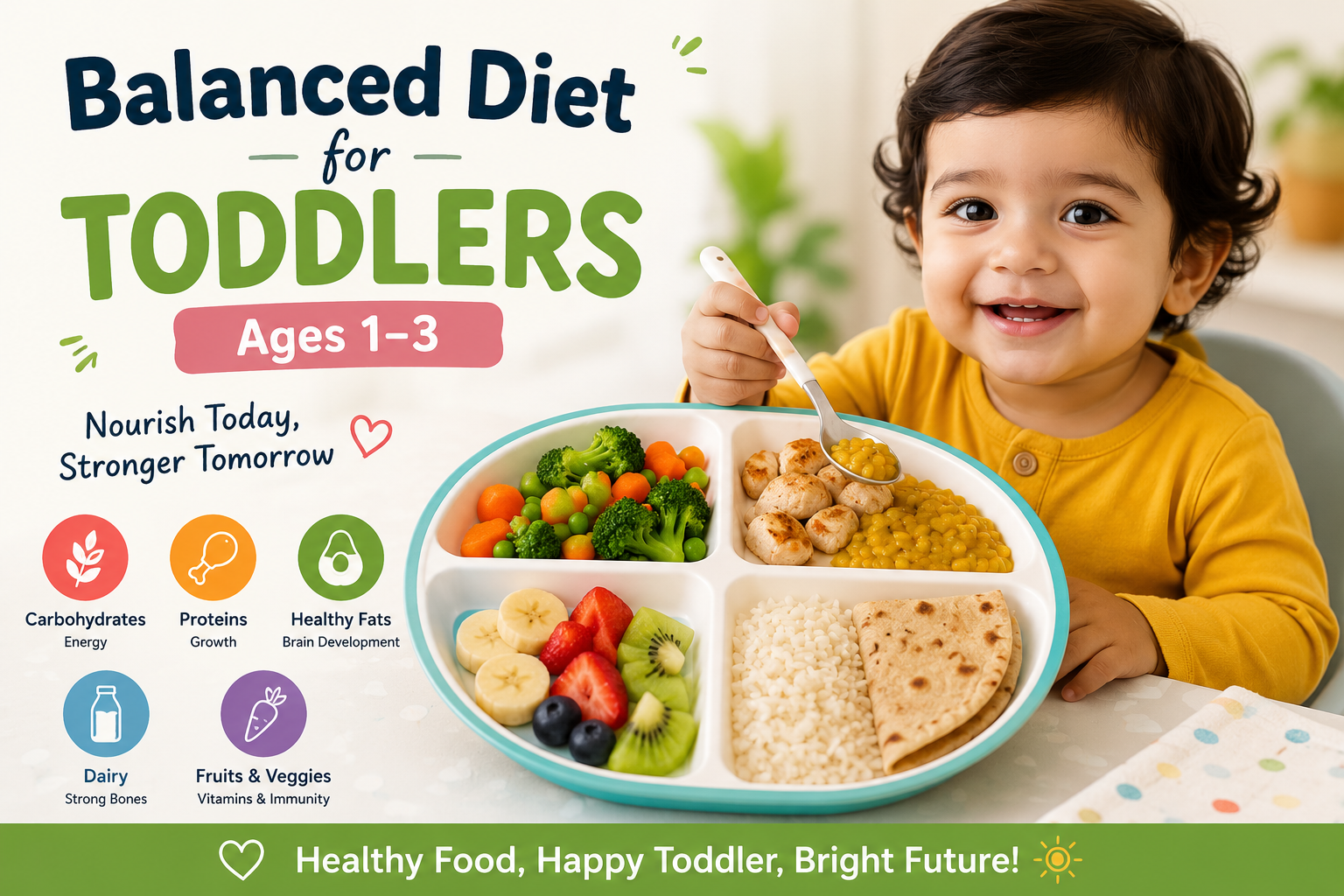
A Balanced Diet For Toddler’s means giving your child a mix of all essential nutrients in the right amounts. Toddlers (ages 1–3) need a combination of:
- Carbohydrates for energy
- Proteins for growth
- Healthy fats for brain development
- Vitamins and minerals for overall health
Instead of focusing on “perfect meals,” think of variety across the day or week.
Keywords: balanced diet for toddlers, toddler nutrition, healthy diet for kids
Essential Balanced diet for Toddler’s
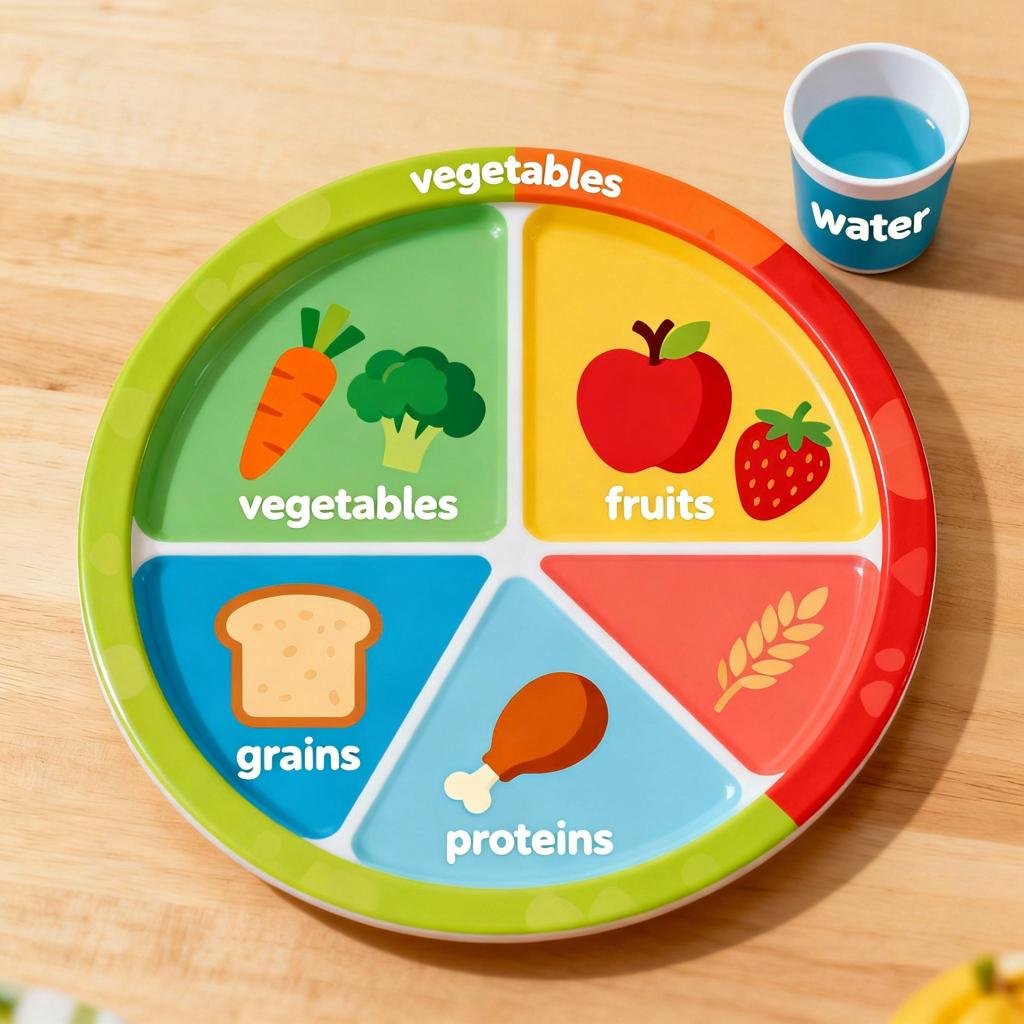
Let’s make it simple by breaking it into 5 main food groups:
1. Carbohydrates (Energy Boosters)
Carbs give balanced diet for toddler’s the energy they need to play, learn, and grow.
Examples:
- Rice, roti, oats
- Pasta, potatoes
- Whole grains
Try to include carbs in every main meal.
2. Proteins (Growth Builders)
Protein is essential for muscle and tissue development.
Examples:
- Eggs
- Milk, curd, paneer
- Lentils (dal), beans
- Chicken or fish (if non-vegetarian)
Even picky eaters can enjoy protein if served in creative ways.
3. Healthy Fats (Brain Development)
Fats are extremely important for brain growth in toddlers.
Examples:
- Ghee
- Butter (in small amounts)
- Nuts and seeds (powdered for safety)
- Avocado
Don’t avoid fats—they’re essential in the right quantity.
4. Fruits and Vegetables (Vitamins & Minerals)
These help boost immunity and prevent illnesses.
Examples:
- Fruits: Banana, apple, mango
- Vegetables: Carrot, spinach, broccoli
Try to add at least one fruit and one vegetable daily.
5. Dairy (Calcium for Strong Bones)
Dairy supports bone and teeth development.
Examples:
- Milk
- Yogurt (curd)
- Cheese
Aim for 2–3 servings per day.
Sample Daily Meal Plan for Toddlers
Here’s a simple example of a healthy meal plan for toddlers:
Breakfast:
Vegetable upma + milk
Mid-morning snack:
Banana or apple slices
Lunch:
Rice + dal + vegetable curry + curd
Evening snack:
Boiled corn or fruit smoothie
Dinner:
Roti + paneer curry or egg curry
This is just a guideline—you can adjust based on your child’s taste.
Portion Sizes: How Much is Enough?
Toddlers don’t eat like adults, and that’s completely normal.
A simple rule:
👉 1 tablespoon of each food per year of age
So, a 2-year-old may eat:
- 2 tablespoons rice
- 2 tablespoons vegetables
- 2 tablespoons protein
Let your child ask for more if they’re still hungry.
Keywords: toddler portion sizes, how much should toddlers eat
Tips to Maintain a Balanced Diet
1. Offer Variety
Avoid serving the same food every day. Rotate meals to keep things interesting.
2. Keep Meals Colorful
Bright plates attract toddlers. Mix different colors like green veggies, yellow dal, and orange carrots.
3. Don’t Force Feed
If your child refuses food, stay calm. Forcing can lead to long-term eating issues.
4. Stick to a Routine
Serve meals at the same time daily. This helps regulate hunger.
5. Limit Junk Food
Occasional treats are fine, but avoid making them a habit.
Common Mistakes Parents Make
Let’s quickly look at what to avoid:
- Giving too many snacks before meals
- Replacing meals with milk
- Forcing the child to finish everything
- Offering junk food as a reward
These habits can affect your toddler’s healthy eating habits.
How to Handle Fussy Eating
Even with a balanced diet plan, toddlers can be unpredictable.
Here’s what helps:
- Introduce new foods slowly
- Repeat foods multiple times
- Eat together as a family
- Make food fun and interactive
Remember, patience is key!
Conclusion
Creating a balanced diet for toddlers doesn’t have to be complicated. It’s all about variety, consistency, and understanding your child’s needs.
Some days your toddler will eat well, and other days they won’t—and that’s okay. Focus on long-term habits rather than daily perfection.
By offering nutritious foods, maintaining a routine, and staying patient, you’re setting the foundation for a lifetime of healthy eating.
So relax, trust the process, and enjoy this journey with your little one. You’re doing better than you think!
Keywords used: balanced diet for toddlers, toddler nutrition, healthy diet for kids, toddler meal plan, toddler portion sizes, healthy eating habits toddlers