
eding a toddler can sometimes feel confusing for parents. One day your child may eat a full meal, and the next day they may refuse almost everything. Many parents worry: “Is my toddler eating enough?” or “How much food should I offer?”
Understanding toddler portion sizes can help reduce mealtime stress and ensure your child receives the nutrients needed for healthy growth and development.
Toddlers have small stomachs, so they do not need large meals. Instead, they benefit from small, balanced meals and snacks throughout the day.
🧠 Why Toddler Portion Sizes Matter
Between 1 and 3 years, children experience important physical and mental development. Their nutritional needs are high, but their stomach capacity is still small.
Providing appropriate portions helps:
- Meet energy requirements
- Prevent overeating
- Encourage healthy eating habits
- Reduce food waste
- Allow children to understand hunger and fullness signals
Remember, every child is different. Appetite can change depending on activity level, growth stage, and daily routine.
🥄 How Much Food Does a Toddler Need?
A general guideline is:
👉 One tablespoon of each food group per year of age is a simple way to estimate starting portions.
For example:
- A 2-year-old may start with about 2 tablespoons of vegetables
- 2 tablespoons of rice or grains
- 2 tablespoons of protein food
You can always offer more if your child is still hungry.
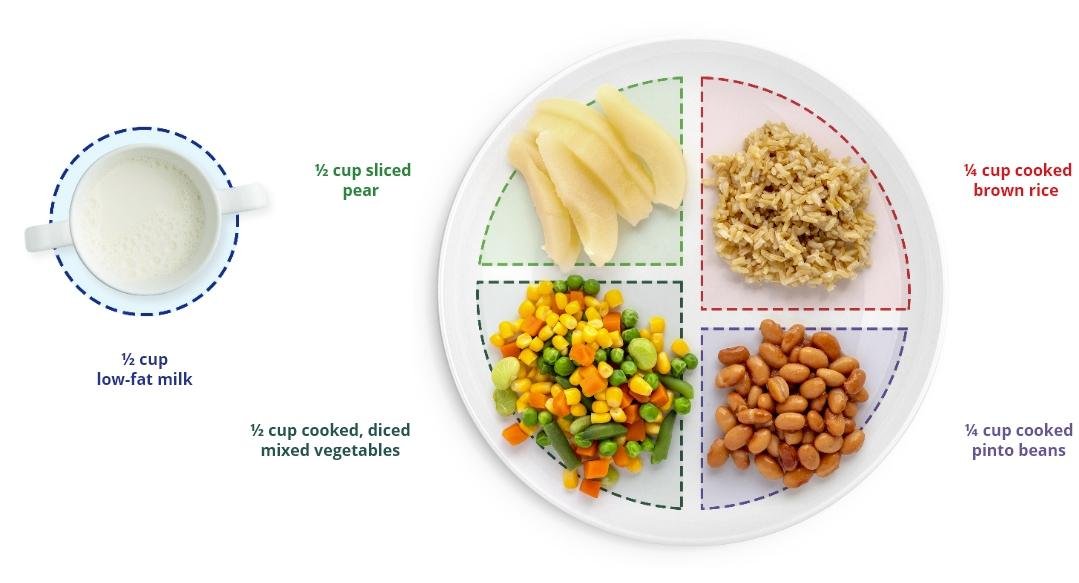
🍽️ Understanding a Balanced Toddler Plate


7
A toddler’s plate should include different food groups:
🥦 Half Plate: Fruits and Vegetables
Vegetables and fruits provide:
- Vitamins
- Minerals
- Fiber
- Antioxidants
Examples:
- Carrots
- Spinach
- Sweet potato
- Banana
- Apple
- Mango
Start with small portions and gradually increase as your child grows.
🍚 Quarter Plate: Whole Grains
Carbohydrates provide energy for active toddlers.
Healthy options:
- Rice
- Whole wheat chapati
- Oats
- Millet
- Dosa
- Idli
Choose whole grains when possible because they provide more fiber and nutrients.
🥚 Quarter Plate: Protein Foods
Protein supports muscle growth and development.
Good sources:
- Eggs
- Lentils
- Beans
- Fish
- Chicken
- Paneer
- Yogurt
Include protein in meals regularly to support healthy growth.
🍎 Sample Toddler Meal Portions
Breakfast:
- Small bowl of oats with milk and fruit
OR - 1 small idli with sambar
OR - Half dosa with egg or chutney
Morning Snack:
- Fruit pieces
- Yogurt
- Homemade snack
Lunch:
- Small serving of rice
- Dal or protein source
- Vegetables
- Yogurt
Evening Snack:
- Banana smoothie
- Cheese cubes
- Homemade finger foods
Dinner:
- Chapati with vegetable curry
- Protein source
- Milk if needed
🥛 How Many Snacks Should Toddlers Have?
Toddlers usually need:
✅ 3 main meals
✅ 2–3 healthy snacks
Because their stomachs are small, snacks help provide extra nutrients throughout the day.
Healthy snack examples:
- Fruit slices
- Yogurt
- Boiled eggs
- Homemade muffins
- Vegetable sandwiches
- Nuts in safe forms
🚩 Signs Your Toddler May Be Eating Enough
Parents often worry when toddlers eat small amounts. Look for overall signs:
✔ Active and playful
✔ Growing normally
✔ Has regular energy
✔ Eats a variety of foods over time
Toddlers do not need to eat the same amount every day.
⚠️ Avoid These Common Feeding Mistakes
1. Forcing Food
Forcing children to eat can create negative feelings about food.
Instead:
- Offer healthy options
- Allow your child to decide how much to eat
2. Comparing With Other Children
Every toddler has different eating patterns.
One child may eat more, while another may prefer smaller portions.
3. Giving Too Many Snacks
Constant snacking can reduce hunger during meals.
Maintain a proper routine between meals and snacks.
4. Using Screens During Meals
Phones and television can distract toddlers from recognizing hunger and fullness.
Encourage mindful eating.
💡 Tips for Managing Toddler Eating Habits
- Serve food in small bowls and plates
- Offer new foods repeatedly without pressure
- Include different colors and textures
- Let toddlers feed themselves when possible
- Eat together as a family
Creating a positive mealtime environment helps children develop confidence with food.
🧾 Final Thoughts
Understanding toddler portion sizes helps parents provide enough nutrition without unnecessary stress. Toddlers do not need large meals; they need small, balanced, nutrient-rich foods offered consistently.
By offering a variety of fruits, vegetables, grains, proteins, and healthy fats, parents can support healthy growth and encourage lifelong healthy eating habits.
Remember, your role is to provide nutritious choices. Your toddler’s role is to listen to their own hunger and fullness signals. With patience and consistency, healthy eating habits will naturally develop.