
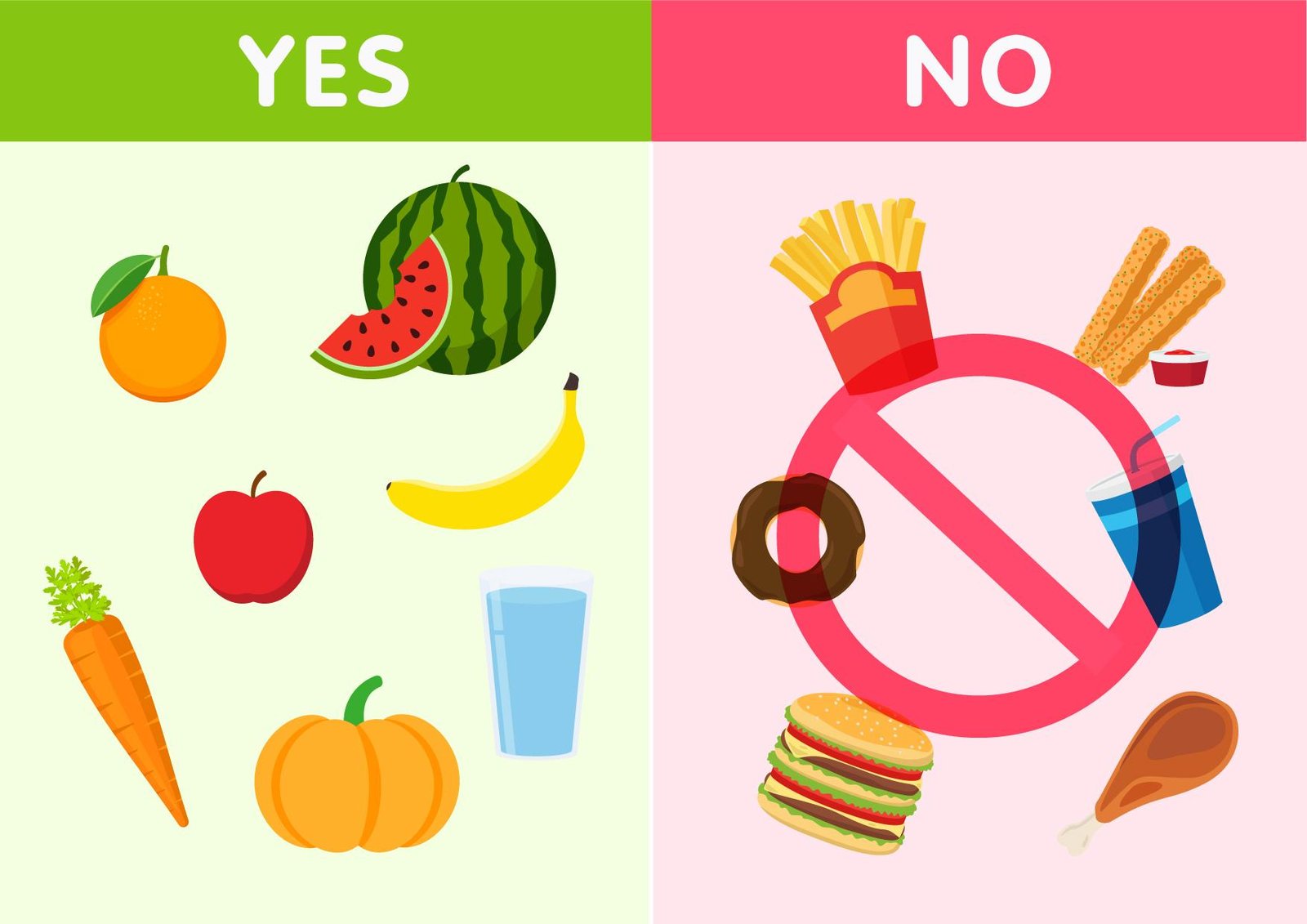
The toddler years (1–3 years) are an important stage for developing healthy eating habits. During this period, children are learning new tastes, textures, and food preferences. While offering a variety of nutritious foods is important, knowing which foods to limit or avoid is equally necessary.
Some foods may seem convenient but can negatively affect your toddler’s growth, digestion, and overall health. In this blog, we’ll discuss the foods to avoid for toddlers and healthier alternatives parents can choose.
🧠 Why Should Parents Be Careful About Toddler Foods?
Toddlers have small stomachs but require nutrient-rich foods for growth. Foods high in sugar, salt, or unhealthy fats can:
- Reduce appetite for nutritious meals
- Affect dental health
- Increase the risk of unhealthy eating habits
- Provide fewer essential nutrients
Choosing healthy foods early helps children develop better eating patterns for life.
🍬 1. Sugary Foods and Sweets


6
Foods like:
- Candies
- Chocolates
- Cakes
- Cookies
- Sweetened desserts
contain high amounts of added sugar but provide very little nutrition.
Why avoid them?
Excess sugar can:
- Increase the risk of tooth decay
- Reduce interest in healthy foods
- Create a preference for very sweet flavors
Healthier options:
Try:
- Fresh fruits
- Homemade fruit smoothies
- Yogurt with fruit
🥤 2. Sugary Drinks and Packaged Juices
Many packaged juices and soft drinks contain high sugar levels.
Avoid:
- Soft drinks
- Artificial fruit juices
- Energy drinks
- Sweetened beverages
Better choices:
- Water
- Fresh homemade smoothies
- Plain milk
Water should be the main drink offered to toddlers.
🍟 3. Junk Food and Processed Snacks
Foods like:
- Chips
- French fries
- Instant noodles
- Packaged snacks
are often high in salt and unhealthy fats.


6
Why limit processed foods?
They may:
- Provide fewer vitamins and minerals
- Affect healthy eating habits
- Reduce appetite for proper meals
Better alternatives:
- Homemade vegetable cutlets
- Roasted snacks
- Fruits and nuts (age-appropriate forms)
🧂 4. Foods High in Salt
Toddlers need only a small amount of salt. Too much salt can affect healthy eating habits.
Limit:
- Packaged soups
- Instant foods
- Salty snacks
- Processed meats
Instead:
- Use natural flavors from herbs and spices
- Prepare fresh homemade meals
🍖 5. Processed and Highly Packaged Foods
Examples:
- Sausages
- Processed meats
- Ready-to-eat meals
These foods may contain preservatives and excessive sodium.
Choose fresh foods whenever possible:
- Fresh vegetables
- Homemade meals
- Fresh protein sources
🥜 6. Foods That Can Cause Choking
Some foods require special preparation because toddlers are still developing chewing skills.
Avoid giving whole:
- Nuts
- Popcorn
- Hard candies
- Whole grapes
Safer options:
- Cut grapes into small pieces
- Use nut butters instead of whole nuts
- Cook vegetables until soft
Always supervise your child while eating.
🍳 7. Raw or Undercooked Foods
Avoid:
- Raw eggs
- Undercooked meat
- Unpasteurized dairy products
These foods may increase the risk of foodborne infections.
Make sure food is:
- Fresh
- Properly cooked
- Stored safely
🥗 Healthy Food Swaps for Toddlers
| Instead of | Choose |
|---|---|
| Chips | Homemade roasted snacks |
| Candy | Fresh fruit |
| Soft drinks | Water or milk |
| Packaged cookies | Homemade snacks |
| Instant noodles | Vegetable-based meals |
💡 Tips to Build Healthy Eating Habits
- Introduce healthy foods early
- Avoid using sweets as rewards
- Eat together as a family
- Offer different colors and textures
- Be patient with new foods
Remember, toddlers may reject a food several times before accepting it.
🧾 Final Thoughts
Avoiding unhealthy foods does not mean making your toddler’s diet restrictive. It means creating a balance and choosing foods that support growth and development.
By limiting sugary foods, processed snacks, and unhealthy drinks while offering nutritious alternatives, parents can help toddlers develop healthy eating habits that last a lifetime.
Small changes in daily food choices can make a big difference in your child’s health and well-being. 🥦